
MARS / Advanced Scheduling Tool

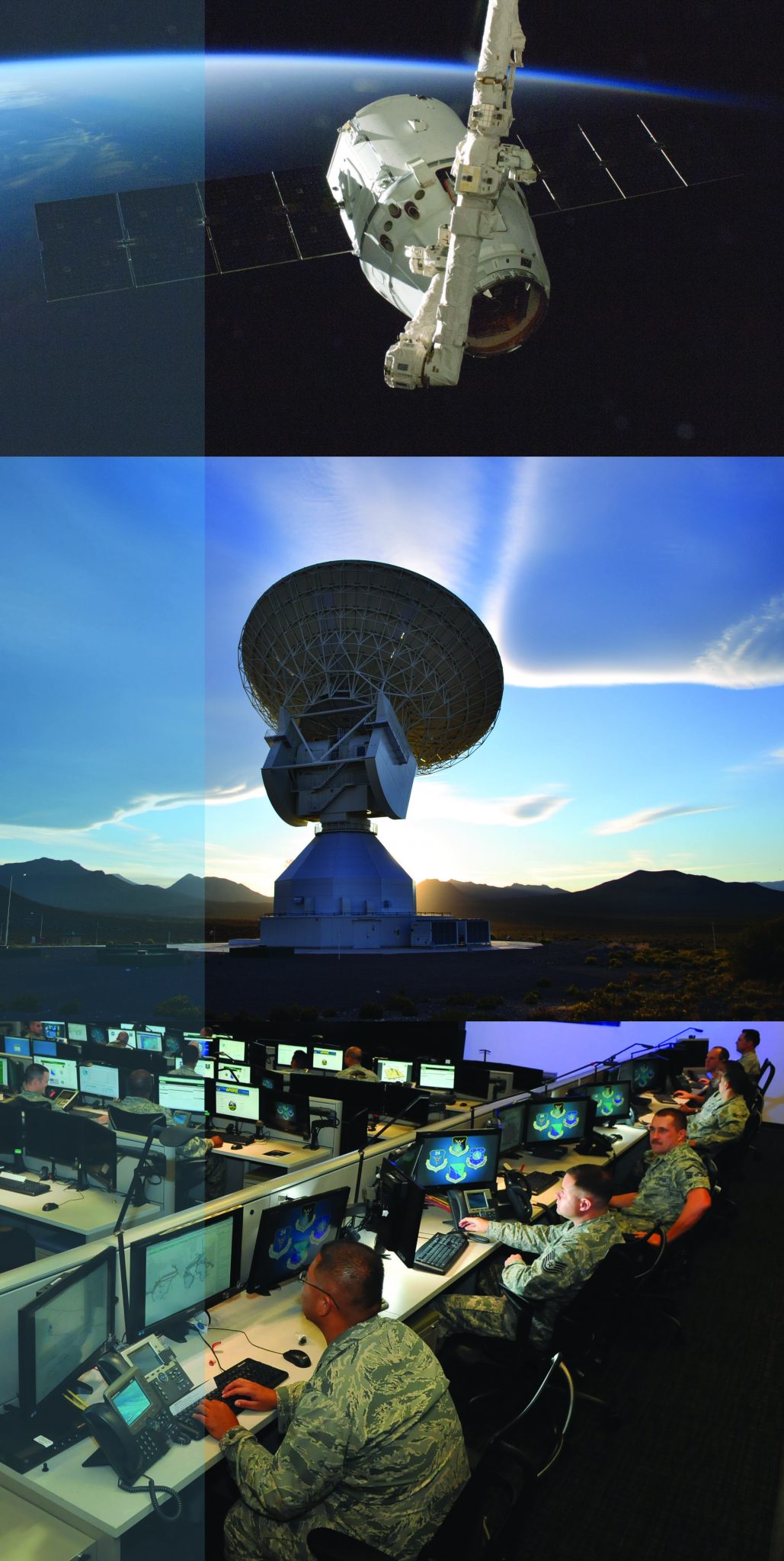
The MARS / AST (Advanced Scheduling Tool) is a globally-distributed, real-time scheduling system used by the U.S. Space Force to create, view, optimize, coordinate, and execute worldwide satellite communication schedules. AST ingests orbital information and mission requests from users, provides human schedulers with a highly flexible interface for schedule optimization, and distributes schedule information to users and the automated antenna. The system automatically deconflicts schedules, reducing a human operator’s cognitive load by more than 90%. Powered by the Aurora scheduling engine, AST was previously named MARS (MIDAS Automated Resource Scheduler), as it builds on related MIDAS efforts.
In 2025, MARS / AST successfully assumed live operational control from the legacy Electronic Schedule Dissemination (ESD 2.7) system, replacing a platform that had supported SCN operations for more than three decades. The AST now serves as the primary system for creating, optimizing, deconflicting, and distributing satellite communication schedules across the global SCN. The transition to MARS / AST marks a pivotal advancement in modernizing operational infrastructure.

 Real-Time Capabilities
• Handles real-time space-related equipment failures and in-space emergencies
• Real-time conflict checking
• Facilitates real-time schedule changes
• Multiple distributed users working in parallel
• Automatic schedule change alerts
• Real-time notification, acknowledgement, and monitoring of acknowledgement timing
Automatic Satellite Communication Scheduling
• Satellite Control Network (SCN)
• Managed Intelligent Deconfliction and Scheduling (MIDAS)
• Maximizes number and duration of supports
• Hundreds of satellites, thousands of supports, and other tasks
• Dozens of separate, competing constellations / SOCs
• 24-hour schedule generated in minutes
• Both hard and soft constraints
Fault Tolerance
• Robustness against machine and communications failures
• Hot backups
• Automatic node fallover and recover
• Activity logging
• Data archiving
• Equipment failure reporting
Other Capabilities
• Schedule quality assessment
• Radio Frequency Interference (RFI) Investigation
• Individual task creations, deletion, and editing
• User-to-user communication
• Distributed, fully-connected network